
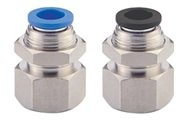
Connects two dissimilar pipes to each other via solvent welding, soldering, or threading.
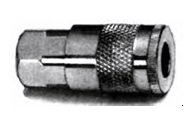
Connects two similar pipes to each other via solvent welding, soldering, or threading.
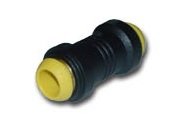
Couplings which can be disconnected without cutting. Their connection (typically threading) allows for easy release.
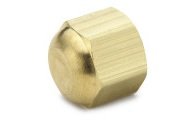
Covers the end of a section, attaching around the pipe via a weld, thread, solvent, or solder.
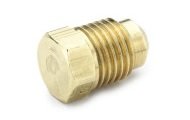
Closes off flow at the end of a section, attaching inside the pipe via a weld, thread, solvent, or solder.
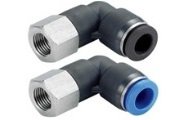
Changes the direction flow to various angles. The most common angles are 90吏� and 45吏�, but 22.5吏� elbows are also made.
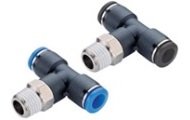
Connects three flow sections in a T-shaped intersection. This allows fluid flow to be combined or split apart.
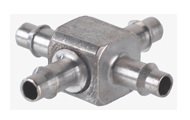
4-way connections, providing one inlet and three outlets or vice versa.
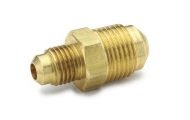
Includes all connections which connect between two or more vessels of different sizes.
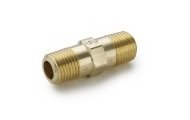
Allows two separate fittings to be connected to each other. Standard nipples are straight with male threads on both ends.
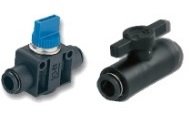
Connects vessels together with the addition of a valve for the control of flow. For more information on types of valves, visit the Industrial Valves Selection Guide on GlobalSpec.